By: Randy Libros, POWER Interfaith – 4/23/2026
Energy Justice and Distributed Energy Resources with POWER Interfaith
This Earth Month, we’re highlighting Energy Co-op partner POWER Interfaith, a Pennsylvania-based nonprofit organizing for racial, economic, and environmental justice. Randy Libros, a member of their Climate Justice and Jobs team, tells us about POWER’s ongoing energy justice work and ways to get involved.
Tell us more about POWER Interfaith and the Climate Justice and Jobs team.
POWER is an interfaith, multiracial, intergenerational organization that fights for racial and economic justice on a livable planet. Our membership includes both congregations and individuals in the Philadelphia area, the Lehigh Valley, and Central Pennsylvania. Founded in 2011, POWER has fought to win fair wages, and full and fair funding of our public schools, among other things.
POWER’s Climate Justice and Jobs team has focused on the negative impacts of climate change, especially on marginalized communities. We have pushed PGW and PECO to provide more renewable energy, fought for legislation such as Solar for Schools, and are currently pushing state leaders for more renewable energy on our electrical grid.
How is POWER working to engage local communities in climate action? What campaigns is POWER working on currently?
POWER’s Climate Justice and Jobs Team is a vehicle for ordinary people across the Philly metro area to engage their friends, neighbors and fellow congregants in taking political action to fight the climate crisis.
We’ve been involved with electric utility rate increase cases, and in central Pennsylvania we worked with other organizations and negotiated with PPL, the utility that serves that area, to establish new rules that protect consumers from some of the problems associated with data centers.
CJJ’s primary focus right now is on ways to increase the supply of clean, renewable energy, specifically through the use of Distributed Energy Resources, or DERs. The Pennsylvania Public Utility Commission is currently considering rules related to the incorporation of Distributed Energy Resources onto the grid, and we want to make sure those rules benefit our communities. If done right, instead of money only flowing out of our communities to large investor-owned utilities, some of that money can come back to our communities as energy is sold back to the grid.
What are DERs, and why are they important to our grid?
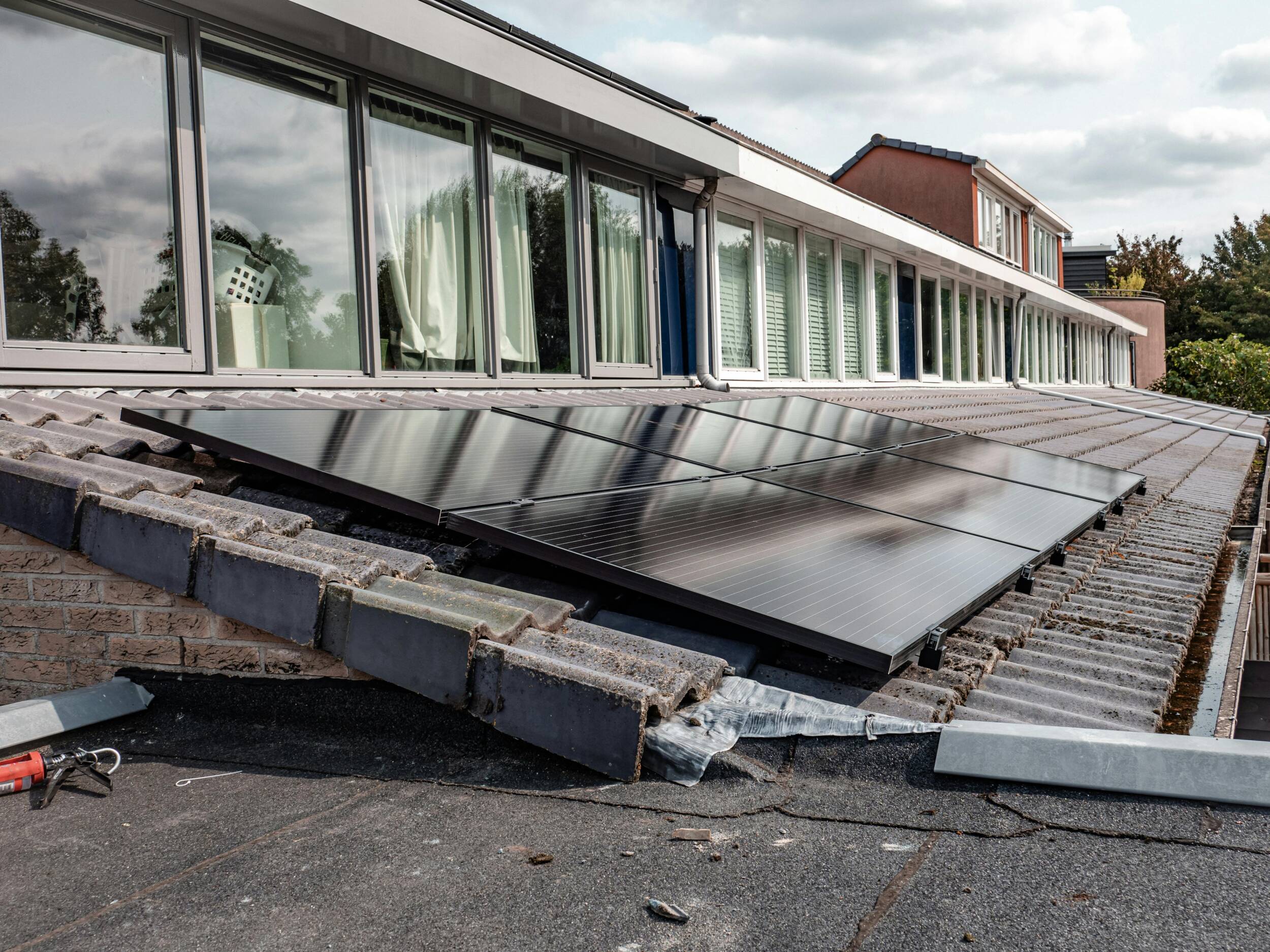
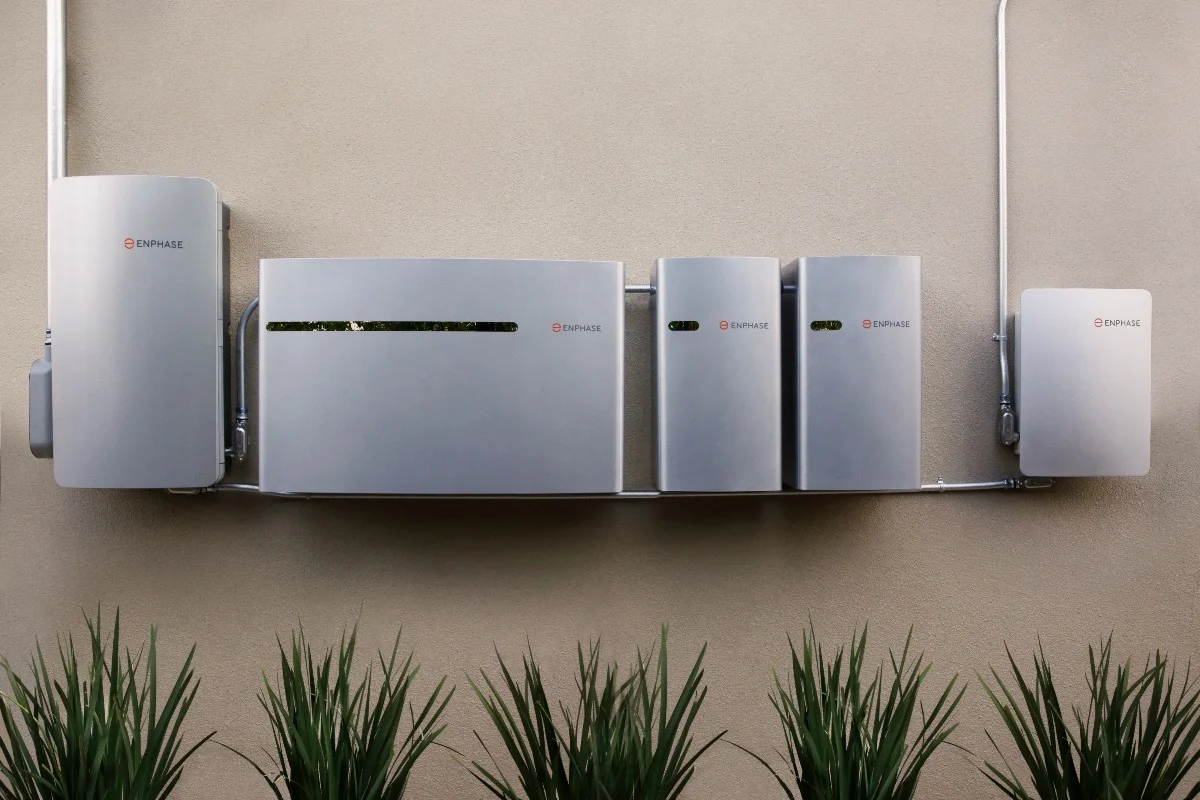
Most of the energy on our electrical grid comes from large fossil fuel power plants. DERs are Distributed Energy Resources. They include rooftop solar, battery backup systems, electric vehicles, and other sources of electricity that are distributed through our communities rather than large, centralized power plants. DERs can also include things like smart thermostats that (if homeowners agree) can be automatically dialed back to reduce energy consumption during peak demand periods.
These small resources, when aggregated, can contribute as much energy to the grid as an expensive new power plant—just like ordinary people, when united into a cooperative, gain economic power. These ‘virtual power plants’ could provide 10-20% of our energy by 2030, according to the Department of Energy, and many states are already taking advantage of this technology.
What impact can DERs have on energy burdened communities?
We have seen electricity rates rise significantly in recent years. There are three main reasons for these increases—supply, distribution and rising profits of utilities. DERs can have an impact on two of these.
Demand for electricity—especially from the recent surge of data centers—is rising faster than supply can keep up, which drives up prices. Aggregating DERs to create virtual power plants provides another source of electricity to help meet rising demand, thus helping to keep prices down. This has the added benefit of making the grid more reliable.
Distribution is the process of getting electrical power from power plants to our homes and businesses. It requires power lines and transformers and substations, which means lots of physical infrastructure. And we pay for that infrastructure in our electric bills. Implementing virtual power plants requires minimal additional infrastructure, thus helping to keep the bills down.
The third area, increasing profits going to utility companies, must be fought in other ways—such as organizing when utilities file for rate increases before the Public Utility Commission. We have recently seen the impact of major public outcry when PECO withdrew their attempt to increase rates.
But there’s another very important way that DERs can benefit marginalized communities, in particular—DERs can provide clean, renewable energy to the grid. Unfortunately, in Pennsylvania today, only about 3-4% of our electricity comes from green sources. Fossil fuels provide most of our electricity, but they also drive climate change because of the greenhouse gases they release, as well as other pollutants that directly adversely affect our health and our safety. Philadelphia has the unhappy distinction of being the 4th worst large city in the country for asthma—and marginalized communities are where asthma rates are the worst. Fossil fuel pollution also increases heart and lung disease.
What actions can people take to advocate for DERs?
Right now, the Pennsylvania Public Utility Commission is considering rules on how DERs can be brought onto the grid. It’s critical that the rules are written in a way that addresses fairness (e.g., who can participate), consumer protection, transparency and opportunity for public input into the program, and so on.
Despite these important issues, the Public Utility Commission is not holding public hearings on the rules. To fill that void, POWER is holding our own public hearings where everyone will have an opportunity to learn more about DERs and will be given an opportunity to present their own testimony. We will summarize everyone’s testimony and submit it as formal comments to the Public Utility Commission.
How can people get involved with POWER’s work?
We invite you to join us on Sunday, April 26, 2026 for a People’s Hearing on Community Based, Affordable Clean Energy (follow the link for more information and a link to register).
In late spring and summer, we will be having lots of one-on-one conversations to explore how our work overlaps with the concerns of our neighbors. We know that many members of The Energy Co-op are deeply concerned about the negative impacts of climate change and other ways that we are damaging the environment, and would love to talk with interested individuals.
We also invite Energy Co-op members to email us at ClimateJustice@powerinterfaith.org and we can find a time to chat informally. We’re always happy to talk to anyone interested in fighting for climate justice and to look for ways we can work together.